
Flavor of India cuisine is much more than just food; it is a fascinating story of culture, tradition, and history that is beautifully served on a plate. From the bustling, colorful markets of Delhi to the serene, aromatic coastal kitchens of Kerala, every region of India proudly boasts its own unique flavors, cooking styles, and culinary techniques that have evolved over centuries.
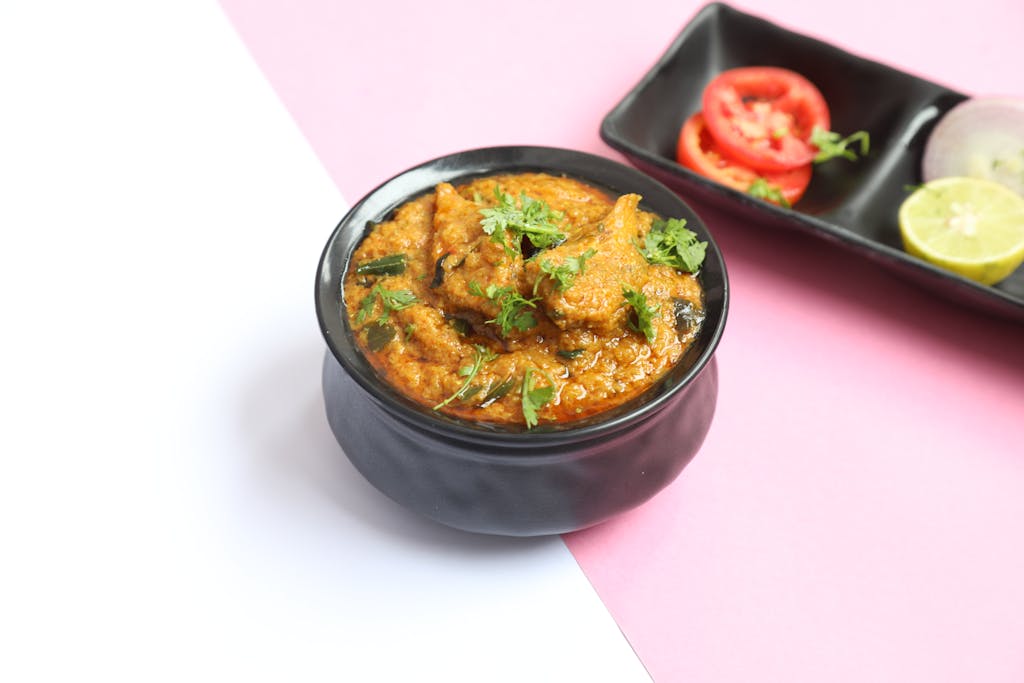
Let’s embark on an unforgettable journey through the essence of Flavor of India, exploring the iconic dishes, aromatic spices, and fascinating culinary stories that have made Indian food famous all over the world.
Order Online
The Essence of Indian Cuisine
Have you ever wondered what makes Indian food so unforgettable and irresistible? It’s the extraordinary balance of vibrant spices, diverse textures, and enchanting aromas that make every meal an experience. Indian cuisine is all about creating harmony on your plate—blending heat and sweetness, crunch and softness, bold flavors with delicate undertones.
This rich complexity is a result of centuries of culinary evolution, influenced by geography, climate, culture, and centuries-old trade routes, giving Indian food its distinctive and layered taste that people crave worldwide.
History Behind the Spices
Spices form the very heart and soul of Indian cooking, and they have done so for thousands of years. Ingredients such as black pepper, cardamom, turmeric, cumin, and cloves are not only prized for their ability to elevate the taste of any dish but were also historically celebrated for their medicinal and healing properties. Trade routes like the famous Silk Road brought these spices to faraway lands.
Yet, India remained the actual home and origin of many of them. Just imagine a pinch of golden saffron or a hint of fiery red chili transforming a simple, ordinary dish into something majestic and memorable—it’s this kind of magic that Indian spices bring to every meal.
Regional Diversity in Indian Food
India is not a country with just one cuisine; it is more like a vast mosaic of diverse culinary traditions. Northern India is renowned for its rich, creamy gravies and the smoky flavors from tandoori ovens. In contrast, Southern India favors coconut, tamarind, and rice in its everyday dishes. Eastern India is famous for its delicate sweets and subtle flavors, while Western India loves bold, tangy, and sometimes intensely spicy street foods. Exploring Indian food is akin to taking a flavorful journey across the entire country, where every bite tells a story about a different region, its history, and its people.
Must-Try Indian Dishes
Now that we understand the foundation of Indian cuisine, let’s explore some of the most iconic dishes that truly define the Flavor of India. Whether you are a first-time explorer or a seasoned foodie, these dishes are essential experiences that you cannot miss.
North Indian Delights
Northern India is celebrated for its hearty, creamy, and indulgent dishes, often cooked with rich gravies, aromatic spices, and freshly baked breads. These meals are not only flavorful but also deeply comforting, reflecting centuries of culinary tradition and royal influences that make every bite a memorable experience.
Butter Chicken and Naan
Soft, pillowy naan bread, freshly baked in a tandoor, pairs beautifully with the rich, creamy, tomato-based butter chicken. Every bite is a delightful explosion of flavors, with the gentle heat of spices balanced perfectly by the luscious creaminess of the curry. Butter chicken and naan together create a symphony of taste that feels both comforting and luxurious at the same time.
Rogan Josh and Biryani
Rogan Josh, a slow-cooked lamb curry infused with aromatic spices, and Biryani, a fragrant rice dish layered with marinated meat, saffron, and caramelized onions, are perfect examples of Northern India’s culinary artistry. These dishes showcase the region’s love for depth, warmth, and complex flavor combinations that celebrate both celebration and comfort in every bite.
South Indian Specials
Southern Indian cuisine is all about bold, tangy, and coconut-infused flavors, often using rice as a staple and balancing spices with natural freshness. From tangy tamarind-based curries to creamy coconut chutneys, the cuisine offers a vibrant mix of textures and tastes that excite the palate while staying true to its traditional roots.
Dosa, Idli, and Sambar
Crispy, golden dosas, soft and fluffy idlis, and a steaming bowl of flavorful sambar make breakfast feel like a joyous festival. These traditional South Indian staples are not only light and nutritious but also packed with flavor, making them perfect for energizing your day with wholesome ingredients and aromatic spices.
Chettinad Cruisine and Seafood
Chettinad cuisine, originating from Tamil Nadu, is known for its bold, fiery, and aromatic dishes that often use freshly ground masalas and coconut milk. Coastal regions of South India add a refreshing seafood twist to their meals. Featuring prawn curries, spicy fish fry, and crab masalas that showcase the region’s affinity for the flavors of the ocean combined with rich, traditional spices.
Street Food Wonders
Indian street food is an adventure in itself, offering an explosion of flavors and textures in every bite. It is where tradition meets spontaneity, and every snack tells a story of local culture and culinary creativity.
Chaat, Pani Puri, and Vada Pav
From the tangy, zesty chaat to the playful, spicy pani puri and the iconic Mumbai vada pav, Indian street food is energetic, fun, and absolutely irresistible. Each bite is a delightful mix of textures, flavors. And aromas that make it impossible to resist going back for more. Street food is where Indian cuisine truly comes alive, reflecting the country’s vibrant spirit and love for communal eating.
Sweets and Desserts
Indian desserts are far more than just sweet treats; they are edible stories of tradition, celebration, and artistry. Gulab jamun, rasgulla, jalebi, and peda bring joy to every occasion, with their vibrant colors, contrasting textures. And rich flavors making them a feast not just for your taste buds but also for your eyes and soul.
Ingredients That Define Indian Flavors
What truly makes Indian food unforgettable is the variety of ingredients that are used to create its signature taste. Let’s dive into some of the most essential ones.
Spices and Herbs
Cumin, coriander, turmeric, cinnamon, cloves, and cardamom form the backbone of Indian flavor, each contributing its unique aroma and taste to the dishes. Fresh herbs like cilantro, mint, and curry leaves further elevate the flavors, making every bite aromatic, vibrant, and deeply satisfying.
Staples: Rice, Lentils, and Wheat
Rice, lentils (dal), and wheat (used in chapati and roti) are the backbone of Indian cuisine. They are humble staples that act as the perfect canvas for the bold. Intricate flavors of the spices, curries, and gravies that define Indian food. Without these staples, the complex flavors would lose their harmony and balance.
Cooking Techniques in Indian Kitchens
Traditional cooking techniques are crucial in bringing out the best in Indian ingredients and creating the unforgettable flavors that we associate with this cuisine.
Tandoor and Grilling
The tandoor, a traditional clay oven, is used to grill kebabs, breads, and marinated meats, imparting a smoky, charred flavor that cannot be replicated by any other cooking method. Grilling in this style enhances the natural flavors of the ingredients while adding layers of aroma. Making every dish deeply satisfying and memorable.
Slow Cooking and Dum Style
Dum cooking, which involves slow-cooking food in sealed pots. Allows the ingredients to release their flavors gradually, resulting in rich, aromatic, and perfectly balanced dishes. Biryani, curries, and meat preparations benefit immensely from this patient technique. Creating depth and complexity that linger on the palate long after the meal is over.
Experiencing India Through Food
In India, food is more than just sustenance—it is a cultural experience, a reflection of heritage, and a way to celebrate life. Festivals, family meals, and temple offerings all highlight the profound connection between Indian people and their cuisine.
Festivals and Food Traditions
Diwali is incomplete without sweets and fried snacks. Eid is celebrated with lavish biryani feasts, and Pongal features aromatic rice dishes. Every festival in India is an opportunity to explore flavors. Textures, and culinary traditions that have been passed down for generations. Making food an integral part of celebration and storytelling.
Eating Out vs. Home-Cooked Meals
Dining at Indian restaurants offers a vibrant, social, and sometimes theatrical experience. At the same time, home-cooked meals provide comfort, authenticity, and the warmth of family tradition. Both experiences offer unique insights into Indian culture and culinary mastery. Giving you a deeper appreciation for the flavors and stories behind every dish.
Health Benefits of Flavor of India Cuisine
Indian food is not just delicious—it is often incredibly nutritious and designed with wellness in mind. Ingredients like turmeric, ginger, garlic, and various legumes provide anti-inflammatory, digestive, and immune-boosting benefits. Lentils and pulses provide essential protein, while fresh vegetables and spices contribute to a balanced, flavorful, and wholesome diet.
Tips for Exploring Flavor of India Food Abroad
If you are new to Indian cuisine, start with mild and familiar dishes like butter chicken, dal, or vegetable korma. Gradually experiment with street foods, pickles, and regional specialties to expand your palate. Pairing spicy dishes with rice or bread will help balance the heat while allowing you to savor the intricate layers of flavor.
Conclusion to Flavor of India
Exploring the Flavor of India is much more than a culinary journey—it’s an experience that engages all your senses, tells a story, and celebrates culture in every bite. From bold, fiery spices to comforting, creamy curries, Indian cuisine offers endless variety, depth, and authenticity. Whether you are enjoying a homemade meal, dining at a restaurant. Or wandering through a bustling street market, the essence of India shines through in its food. Leaving you with unforgettable memories and a craving to explore even more.
FAQs about Flavor of India
1. What is the best way to experience the Flavor of India?
The best way to experience the Flavor of India is by trying a variety of regional dishes, from creamy North Indian curries to spicy South Indian specialties, as each dish tells a unique story.
2. Which dishes truly represent the Flavor of India?
Iconic dishes like butter chicken, biryani, dosa, and street food favorites such as pani puri and chaat perfectly capture the rich and diverse Flavor of India.
3. Are Indian foods always spicy when exploring the Flavor of India?
Not at all. While some dishes are spicy, many mild options like dal, butter chicken, and idlis allow everyone to enjoy the authentic Flavor of India without overwhelming heat.
4. How do spices contribute to the Flavor of India?
Spices like cumin, coriander, turmeric, and cardamom are essential in creating the bold, aromatic. And unforgettable Flavor of India that sets it apart from other cuisines.
5. Can vegetarian dishes provide the full Flavor of India?
Absolutely! Vegetarian dishes, such as paneer tikka, dal, and vegetable biryani, showcase the richness, balance. And depth that define the Flavor of India.