
South Indian Cuisine blends tradition, nutrition, and artistry. It has evolved through centuries of cultural exchange. Moreover, it showcases fresh ingredients, bold spices, and balanced flavors. The cuisine emphasizes harmony and wholesomeness. Additionally, its dishes highlight natural produce and thoughtful techniques. Although diverse, South Indian Cuisine shares a foundation of rice, lentils, and aromatic spices. As a result, it remains one of the most celebrated culinary styles in the world.
The Regional Diversity Within South Indian Cuisine
South Indian Cuisine offers a remarkable variety. Landscapes across the southern region differ widely. Consequently, cooking styles, ingredients, and flavor choices shift. However, the shared love for spices and comfort binds the cuisine together. Moreover, cultural habits influence meal structure and traditional cooking methods.
Order Online
Spice-Rich and Bold Flavor Traditions
Certain parts of the South are known for intense heat and pungent spices. Dishes from these areas often feature dried chilies, tamarind, and souring agents made from leafy ingredients. Moreover, the flavors feel striking and memorable. Examples include fiery vegetable preparations, tangy curries, and robust masala-coated proteins. Additionally, pickles from this region deliver bold acidity and a layered spice profile. As a result, these dishes attract those who enjoy intense, lively flavors.
Balanced and Traditional Cooking Styles
Other areas focus on balance and calm flavors. Rice anchors most meals here. Moreover, lentils, vegetables, and mild spices define the daily diet. Creamy porridges, soothing stews, and aromatic broths play central roles. Additionally, local spice blends create depth without overwhelming the palate. Meanwhile, carefully prepared masalas highlight both aroma and tradition. Ultimately, this style of South Indian Cuisine represents harmony between comfort and complexity.
Mild, Earthy, and Diverse Preparations
Some southern regions lean toward earthy and gentle flavors. However, this does not reduce their richness. They use millets, whole grains, and freshly ground spices. Additionally, these areas showcase hearty rice-lentil mixtures, fluffy steamed breads, and smooth vegetable stews. Moreover, coastal belts in the South emphasize coconut, fresh produce, and seafood. Consequently, this diversity makes South Indian Cuisine appealing to a broad audience.
Coconut-Driven Cooking and Coastal Identity
Coconut-rich traditions dominate parts of South India. Grated coconut, coconut oil, and coconut milk appear in numerous dishes. Moreover, spices such as pepper, clove, and cardamom shape the region’s culinary DNA. Festive vegetarian feasts, elaborate spreads, and layered curries are everyday. Additionally, seafood features prominently in many coastal preparations. As a result, these dishes feel warm, comforting, and deeply tied to nature.
Key Ingredients That Define South Indian Cuisine
South Indian Cuisine relies on essential ingredients that build flavor and structure. Moreover, these staples provide balance, nutrition, and versatility.
Rice: The Dining Foundation
Rice forms the heart of countless meals. It appears in steamed form, mixed preparations, and fermented batters—moreover, rice pairs flawlessly with curries, chutneys, and lentil-based soups. Variations like citrus-infused rice, yogurt rice, and tamarind-flavored rice enrich everyday eating. Therefore, rice remains the most crucial element in South Indian Cuisine.
Lentils: Nutritious and Versatile
Lentils deliver protein and comfort. They create the foundation for stews, broths, and gravies. Moreover, lentils thicken sauces and enhance texture. Split varieties and whole lentils appear often in everyday meals. Additionally, their mild flavor allows spices to shine. As a result, lentils play both cultural and nutritional roles across the South.
Coconut: A Culinary Treasure
Coconut adds richness, sweetness, and aroma. It appears grated, dried, ground, or pressed into milk. Moreover, coconut oil enhances the tempering and frying processes. It softens heat, balances sharp spices, and deepens texture. Additionally, coconut enriches both sweets and savory dishes. Consequently, it stands as one of the defining ingredients of South Indian Cuisine.
Spices: The Soul of the South Indian Cuisine
South Indian Cuisine uses spices thoughtfully. Mustard seeds, curry leaves, dried chilies, cumin, pepper, and turmeric form the base of most dishes. Moreover, each spice carries digestive and wellness benefits. Additionally, different areas create signature blends by roasting and grinding spices. These blends add personality, aroma, and depth. Therefore, spices truly shape the cuisine’s sensory identity.
Cooking Techniques That Shape South Indian Cuisine
These techniques rely on steaming, tempering, slow simmering, and grinding fresh spices to build deep, balanced flavors. They create dishes that are aromatic, light, and naturally wholesome.
Tempering: Small Step, Big Impact
Tempering transforms dishes instantly. Hot oil releases aromas from mustard seeds and curry leaves. Moreover, it enhances the flavor of lentils, chutneys, and vegetables. Additionally, tempering allows cooks to fine-tune flavor intensity. As a result, even simple meals feel vibrant and aromatic.
Fermentation: Flavor and Health Together
Fermentation brings life to batters. It helps create pillowy steamed breads and crisp crepes. Moreover, fermentation aids digestion and enhances nutrient absorption. It also introduces pleasant tanginess. Consequently, this technique remains central to South Indian Cuisine.
Slow Cooking: Depth Through Time
Slow cooking allows flavors to develop evenly. Lentil stews simmer gradually to achieve harmony. Moreover, vegetables cook gently to maintain shape and absorb spices. Additionally, slow heat ensures smooth textures and rich aromas. Therefore, many traditional dishes rely on this patient method.
Steaming: Light and Nutritious
Steaming keeps meals healthy. Soft rice cakes, layered rice cylinders, and vegetable preparations benefit from steam. Moreover, steaming preserves nutrients. It highlights subtle flavors as well. Ultimately, steaming makes South Indian Cuisine both wholesome and satisfying.
Popular Dishes in South Indian Cuisine
South Indian Cuisine offers globally loved dishes. These items blend technique, tradition, and emotion. Moreover, each dish tells a story of time-honored cooking.
Idli and Dosa: Breakfast Icons
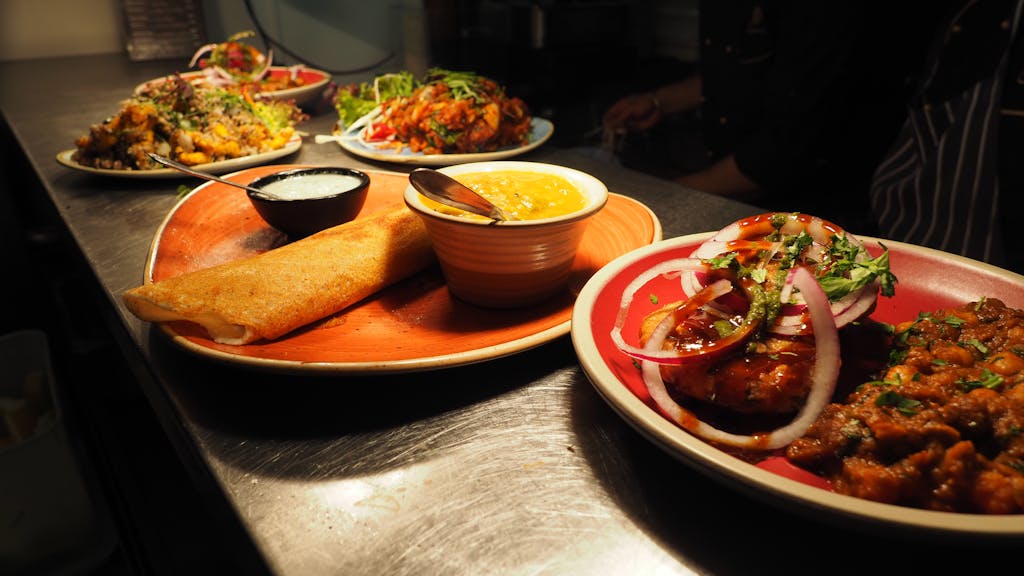
Idlis and dosas define South Indian breakfasts. Their textures appeal instantly. Moreover, their batter ferments naturally for superior taste. Variations include crisp versions, soft sets, and semolina-based options. Additionally, they pair beautifully with chutneys, lentil stews, and spice powders. Consequently, they enjoy global popularity.
Sambar and Rasam: Comfort Essentials
Sambar delivers warmth through lentils, vegetables, and tangy notes. Meanwhile, rasam offers a peppery, refreshing broth. Moreover, both aid digestion. Additionally, they elevate rice-based meals. As a result, these dishes remain staples across the South.
Vada: Crispy and Flavorful
Vada provides crunch and satisfaction. It complements idlis and dosas perfectly. Moreover, its shape and ingredients vary widely. Some versions feel mild and fluffy. Others feel crisp and spicy. Additionally, vada appears frequently in festive meals. Therefore, it holds a beloved place in South Indian Cuisine.
Biryani: A Fragrant Celebration
South India features several biryani styles. Each style uses distinct techniques, spices, and layering methods. Moreover, some versions highlight aromatic rice. Others emphasize deep masalas. Additionally, biryani symbolizes celebration. Consequently, it remains a global favorite.
Seafood Specialties
Coastal areas inspire exceptional seafood dishes. Coconut, tamarind, and warm spices enhance the flavors of fish and shellfish. Moreover, steaming, roasting, and gentle frying preserve natural flavors. Additionally, seafood dishes reflect the region’s connection to nature. Therefore, they remain iconic within South Indian Cuisine.
Sweet Delights
South Indian desserts highlight tradition. Creamy puddings, ghee-rich sweets, and jaggery-based treats stand out. Moreover, coconut and cardamom enhance flavor. Additionally, many sweets follow recipes passed down through generations. Consequently, these desserts hold emotional and cultural value.
Cultural Significance of South Indian Cuisine
Food carries meaning beyond taste. South Indian Cuisine shapes celebrations, rituals, and togetherness. Moreover, it reflects gratitude toward nature and community.
Festivals and Food Traditions
Festivals feature elaborate meals. Dozens of dishes appear on special occasions. Moreover, each item symbolizes prosperity, harmony, or gratitude. Traditional serving styles add to the experience. Additionally, festive meals strengthen family bonds. As a result, food becomes central to cultural identity.
Ayurvedic Influence and Wellness
Ayurveda guides many cooking practices. Meals aim to balance flavors, temperatures, and energies. Moreover, spices support digestion and immunity. Fresh produce enhances vitality. Additionally, cooking methods like steaming preserve wellness. Consequently, It aligns naturally with holistic health.
Modern Adaptations in South Indian Cuisine
Today’s It dishes blend traditional flavors with global influences, using innovative ingredients and contemporary cooking techniques while preserving the essence of the cuisine.
Global Popularity
Restaurants worldwide serve dosa, idli, stews, and biryani. Moreover, cooking enthusiasts experiment with fusion versions. Additionally, social media highlights regional specialties. As a result, It enjoys global admiration.
Healthy Eating Trends
Modern eaters appreciate gut-friendly, protein-rich, and low-oil meals. It offers all these benefits. Fermented dishes improve digestion. Moreover, lentils support balanced diets. Steamed items reduce fat. Additionally, spices provide anti-inflammatory properties. Therefore, the cuisine fits modern wellness goals.
Why South Indian Cuisine Continues to Inspire
South Indian Cuisine beautifully blends flavor, nutrition, and heritage. Moreover, it offers endless variety. Its dishes feel comforting yet deeply complex. Additionally, the balance of spices and cooking techniques provides memorable experiences. Ultimately, it remains timeless and treasured.
Final Thoughts to South Indian Cuisine
South Indian Cuisine stands as a symbol of tradition, creativity, and nourishment. Moreover, it continues to inspire chefs and food enthusiasts worldwide with its vibrant flavors and time-honored techniques. As a result, its legacy grows stronger with every generation, influencing modern kitchens while preserving its cultural roots. Indeed, it remains a culinary journey worth celebrating, offering endless discoveries for anyone who appreciates rich cuisine, diverse ingredients, and soulful cooking.