
Walking into an Indian food restaurant is like stepping into a world filled with the warm aromas of cumin, cardamom, turmeric, garlic, and sizzling ghee. Indian cuisine is more than food; it’s a centuries-old tradition full of flavour, culture, and comfort.
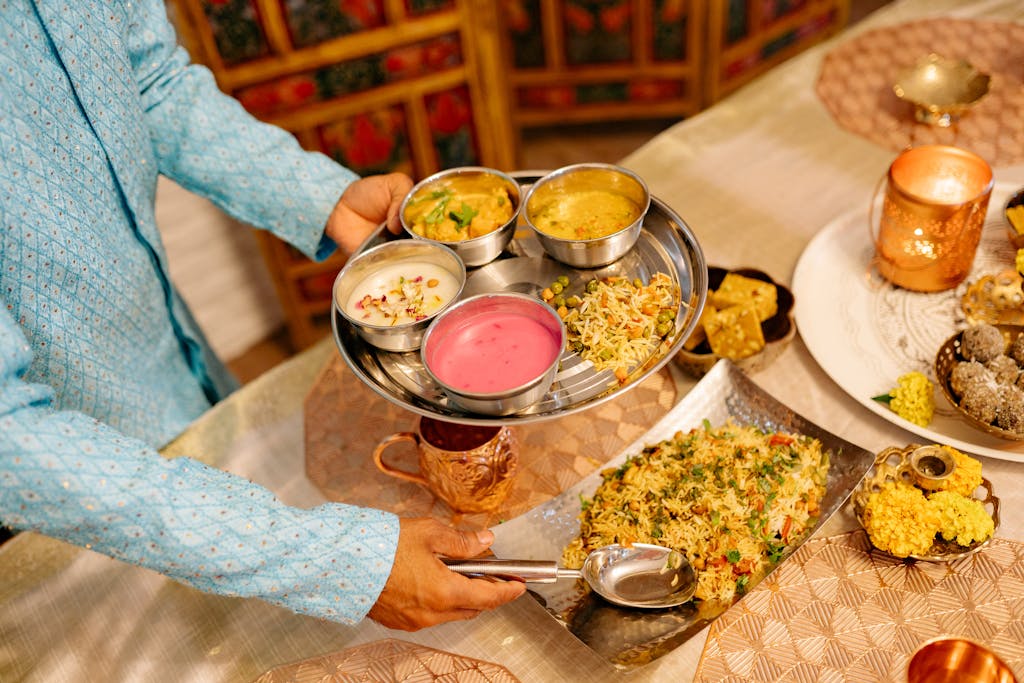
Whether you crave creamy butter chicken, a crispy samosa, or a spiced dosa, Indian restaurants offer dishes that are both familiar and adventurous, creating a culinary experience that delights the soul and excites the palate.
Order Online
Why Indian Food Restaurant Is So Popular
Indian cuisine has captured hearts worldwide because it blends deep, rich flavours with comforting familiarity, while constantly surprising with new tastes and aromas. Every bite tells a story steeped in tradition and carefully selected spices. From mild, creamy curries to fiery, aromatic dishes, Indian food offers something for everyone. Indian restaurants also create a space for connection, where friends and families gather to enjoy meals full of culture, flavour, and joy.
Types of Indian Food Restaurant Cuisine You’ll Find
Indian cuisine is not uniform but a rich tapestry of regional flavours, techniques, and specialities. A good Indian food restaurant reflects this diversity, offering dishes from different regions, each with unique ingredients and cooking styles. Exploring the menu is like opening a treasure chest of delicious surprises.
North Indian Classics
North Indian cuisine is known for rich gravies, tandoor-baked breads, and slow-cooked, aromatic meats. Dishes like butter chicken, paneer tikka masala, and dal makhani combine creamy textures with bold flavours. The tandoor adds a smoky depth, while ghee, yoghurt, and cream balance the spices, making each dish comforting and flavorful.
South Indian Favourites
In South India, the cuisine shifts to lighter, tangy, and often spicier dishes that highlight rice, lentils, and fresh coconut. Staples like dosas, idlis, sambar, and coconut chutney emphasise freshness and balance. Coastal regions feature seafood cooked with tamarind, curry leaves, and coconut milk, offering bright, aromatic flavours that contrast with the richness of northern dishes. South Indian restaurants provide a refreshing and indulgent taste of India’s culinary diversity.
Regional Specialities: Bengali, Goan, Punjabi & More
Beyond the north and south, each Indian region adds its own unique flavours and techniques. Bengali cuisine features subtly spiced fish dishes with mustard, Goan cuisine blends coconut, vinegar, and seafood for tangy, rich flavours, and Punjabi cuisine highlights bold, hearty gravies with generous dairy. Restaurants offering regional specialities let diners explore authentic traditions and centuries of culinary heritage.
Signature Dishes to Try
Every Indian food restaurant has certain signature dishes that are essential for experiencing the essence of its culinary expertise. While it’s tempting to sample everything on the menu, starting with these classics ensures that you enjoy the dishes that best showcase the kitchen’s skill, balance of flavours, and understanding of tradition.
Curries and Gravies
Curries are the heart of Indian cuisine, offering a wide range of flavours, textures, and spice levels. A well-made curry balances spices and ingredients perfectly, whether creamy and mild or fiery and bold, showcasing the chef’s skill and serving as a benchmark for any Indian food restaurant.
Butter Chicken & Creamy Tomatoes
Butter chicken is a classic introduction to Indian cuisine, featuring tender chicken in a rich, buttery, mildly spiced tomato sauce. Paired with fresh naan, it creates a comforting, indulgent meal that balances creaminess and spice, appealing to both newcomers and seasoned diners.
Rogan Josh & Spiced Lamb
Rogan Josh, a traditional Kashmiri dish, features tender lamb slow-cooked in a fragrant blend of spices like cinnamon, cardamom, cloves, and Kashmiri chilli. Its bold yet nuanced flavours showcase the chef’s skill and make it a must-try for an authentic Indian dining experience.
Breads and Rice
No Indian meal is complete without the perfect accompaniment of bread or rice. Soft, pillowy naan, flaky parathas, and fragrant basmati rice not only complement main dishes but also play an essential role in balancing flavours, textures, and spice levels. These staples allow diners to enjoy curries fully, soak up sauces, and experience the cuisine as it was intended to be enjoyed.
Naan, Paratha, and Biryani
Naan, baked in a tandoor, is soft and smoky, perfect for scooping curries. Paratha is buttery and layered, pairing well with rich gravies. Biryani, a celebrated dish, combines aromatic rice, marinated meat or vegetables, saffron, and spices, showcasing a chef’s skill and delivering a flavorful, satisfying experience.
Street Food and Snacks
Indian street food offers bold, tangy, and addictive flavours in a fun, casual setting. Dishes like samosas, pani puri, bhel puri, and pakoras highlight the vibrant, communal, and celebratory nature of Indian cuisine, combining sweet, sour, spicy, and crunchy elements in every bite.
What to Look For in a Great Indian Food Restaurant
Not all Indian food restaurants are the same, and choosing wisely can make a big difference. A great restaurant balances spices, uses fresh herbs and vegetables, and features authentic ingredients like homemade paneer and freshly roasted spices. Menus should cater to vegetarians, vegans, and adventurous diners, with clear allergen labelling.
Spice Balance and Freshness
In Indian cuisine, spice is a delicate art rather than a blunt tool. The best restaurants treat it like a fine instrument: carefully measured, layered, and balanced to enhance the main ingredients without overpowering them. Imagine a symphony where each note is a different spice—cumin, coriander, turmeric, chilli, and fenugreek—all working together to create a harmonious melody of flavour.
Fresh herbs like cilantro and mint, along with lemon and fresh ginger, provide brightness and lift, transforming a simple curry into a dish that excites the senses with every bite.
Authentic Ingredients
Authenticity is evident in restaurants that roast spices, make paneer, or prepare fresh chutneys. These details enhance flavour, aroma, and texture. Ghee, hand-chopped masalas, and slow-cooked sauces create a genuinely satisfying experience.
Menu Variety and Dietary Options
A great Indian restaurant balances traditional dishes with innovative creations. Vegetarian and vegan options are carefully crafted, while meat and seafood dishes cater to all tastes. Allergen-friendly and gluten-free choices ensure everyone can enjoy a satisfying meal.
Ordering Tips — How to Navigate the Menu
Indian menus can be overwhelming for first-timers due to their variety and spices. To navigate them, consider spice levels, portion sizes, and complementary dishes. Ask your server for recommendations, and remember that sharing multiple dishes is both traditional and the best way to taste a range of flavours.
Spice Levels Explained
Spice levels vary between restaurants, so what’s “medium” in one place may be “hot” in another. Beginners should start moderately and adjust as needed. Pair spicy dishes with raita, creamy curries, or naan to balance flavours. Spice adds depth, aroma, and complexity, not just heat.
Portion Sizes and Sharing
Indian cuisine is designed for sharing. Large platters of curry, rice, and bread are meant to be passed around the table, encouraging conversation and connection. Portion sizes can be generous, so consider ordering a mix of mains, sides, and breads to ensure everyone can sample multiple dishes without over-ordering.
Sharing is also practical for tasting the full spectrum of flavours, allowing diners to compare the sweetness of a butter chicken with the tanginess of a chana masala or the spiciness of a lamb rogan josh.
Pairing with Drinks
Drinks play a critical role in enhancing the dining experience at an Indian food restaurant. Mango lassi, a sweet yoghurt-based beverage, is excellent for cooling the palate after a spicy curry. Light, crisp beers can complement tandoori and grilled dishes, while slightly sweet wines pair beautifully with rich, tomato-based gravies.
To finish the meal on a warm note, masala chai—a spiced Indian tea—provides comfort, depth, and a subtle sweetness that balances the boldness of the main courses.
Vegetarian & Vegan Options
Indian cuisine is highly vegetarian-friendly, offering flavorful, nutritious dishes made from lentils, beans, vegetables, and grains. Many restaurants also provide vegan alternatives using coconut milk, tofu, or jackfruit, allowing diners to enjoy authentic, creative plant-based meals without compromise.
Lentils, Paneer Alternatives, Jackfruit
Lentils (dal) provide protein-rich, flavorful meals, while paneer adds creaminess to vegetarian dishes. For vegans, jackfruit mimics meat in curries and biryanis. Combined with spices and fresh vegetables, these ingredients create satisfying, nourishing meals that showcase a restaurant’s skill and care.
How Indian Food Restaurant Adapt Abroad
Indian restaurants worldwide balance adapting to local tastes with maintaining authenticity. Some offer fusion dishes like butter chicken pizza or tikka tacos, while others stick to traditional recipes with imported spices and slow-cooking techniques. Both approaches can create memorable dining experiences.
Fusion Dishes and Localisation
Fusion dishes can be a fun and accessible way to introduce Indian flavours to people who might be unfamiliar with traditional preparations. By blending familiar elements from other cuisines with classic Indian spices and ingredients, chefs create approachable yet exciting meals that appeal to a broad audience. These dishes can also serve as a gateway for diners to explore more traditional Indian foods in the future, creating a bridge between cultures through flavour.
Maintaining Authenticity
Authentic Indian restaurants focus on quality ingredients, traditional preparation, and presentation. Regional chefs bring their culinary heritage, offering a genuine taste of India. Dining here is not just a meal—it’s an experience of culture, history, and artistry.
Hygiene, Delivery, and Online Reviews
In the modern dining landscape, hygiene and delivery standards are as crucial as flavour. When selecting an Indian food restaurant, it’s essential to read online reviews, check for consistent positive feedback, and look for restaurants that prioritise cleanliness in both the kitchen and service. Delivery standards are also key: properly packaged meals that retain temperature, texture, and presentation ensure that the quality of the food remains high even when eaten at home.
What Ratings Really Mean
While online ratings can provide a quick snapshot of a restaurant’s reputation, they are often noisy and inconsistent. A more reliable approach is to read multiple reviews, paying attention to patterns in feedback. If several customers praise a specific dish, it is likely a speciality worth trying. Conversely, repeated complaints about spice levels, undercooked ingredients, or poor delivery service may indicate potential issues.
Delivery Tips & Packaging
For takeout and delivery, choose restaurants that use sealed, insulated containers to preserve heat, flavour, and texture. Proper packaging prevents spills and maintains the integrity of the meal. Additionally, tipping and leaving positive feedback for excellent service help support the staff and encourage continued quality in both food preparation and delivery.
Price Expectations and Value
Indian food restaurants range from casual to upscale, with prices reflecting ingredient quality, cooking, and service. Actual value comes from the overall experience—sometimes a pricier restaurant using fresh ingredients and careful preparation offers more satisfaction than a cheaper option.
Family Dining vs Date Night — Choosing the Right Spot
Different dining experiences call for various types of Indian food restaurants. For families with children, casual, well-lit venues with diverse, milder options are ideal, allowing everyone to share dishes comfortably. For a romantic date night, intimate settings with soft lighting, cosy seating, and smaller shareable plates create a memorable atmosphere. In both cases, attentive service and thoughtfully curated menus enhance the overall experience, ensuring that every visit feels special.
How to Support Local Indian Food Restaurant
Supporting local Indian food restaurants is essential for preserving culinary traditions and fostering community. Ordering directly from restaurants, leaving honest and positive reviews, recommending them to friends, and purchasing gift cards are simple ways to contribute.
Your support ensures that chefs can continue to offer authentic, high-quality meals while also sustaining local businesses that add vibrancy and culture to their communities.
Quick Checklist Before You Visit
Before heading to an Indian food restaurant, it’s helpful to take a few simple steps to ensure an enjoyable experience: check the menu online to plan your order, confirm spice levels to match your preference, inquire about dietary substitutions if necessary, and make a reservation for busy nights. These small actions help avoid surprises and allow you to fully enjoy the diverse, flavorful dishes awaiting you.
Conclusion to Indian Food Restaurant
Visiting an Indian food restaurant is more than a meal—it’s a journey through centuries of tradition and flavour. From the aroma of spices to a sip of masala chai, every bite delights and surprises. Whether enjoying dal, biryani, or street snacks, Indian cuisine offers a memorable experience for every palate.
FAQs About Indian Food Restaurant
1. What makes an Indian Food Restaurant authentic?
An Indian Food Restaurant is considered authentic when it uses fresh, traditional ingredients, slow-cooked spices, and regional cooking techniques to deliver genuine flavours.
2. What dishes should I try at an Indian Food Restaurant?
Popular dishes to try include butter chicken, paneer tikka, dal makhani, biryani, and traditional street foods like samosas and pani puri.
3. Are Indian Food Restaurants suitable for vegetarians?
Yes, Indian Food Restaurants offer a wide variety of vegetarian and vegan dishes made from lentils, beans, vegetables, and plant-based ingredients.
4. How spicy is the food at an Indian Food Restaurant?
Spice levels vary, so it’s best to ask the staff for guidance. Many Indian Food Restaurants offer mild, medium, and hot options to suit different tastes.
5. Can I find gluten-free options at an Indian Food Restaurant?
Yes, many Indian Food Restaurants provide gluten-free choices such as rice-based dishes, lentil curries, and naturally gluten-free breads like rice flour dosa.